Sugar Free Baked Lemon Cheesecake
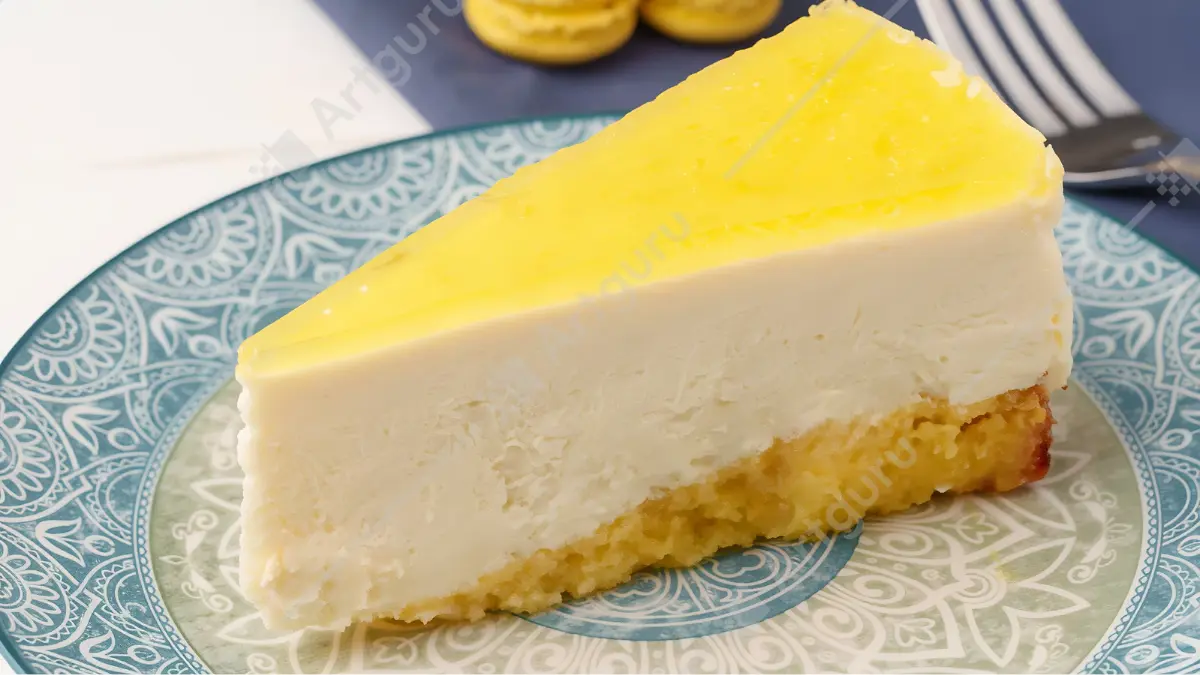
After years of experimenting with sugar-free cheesecakes that never seemed to get as creamy and rich as their traditional counterparts, I finally arrived at a formula that works. The key to silky smooth fillings was two seemingly small changes: I switched from using fine powdered monk fruit sweetener (as opposed to granulated sugar) and whisked room-temperature sour cream straight into the cream cheese. The result is a cheesecake that is as silky and smooth as can be, and which showcases the sharp, fresh flavor of the lemon zest without any of the bitter, artificial aftertaste that can sometimes creep in.
Highlights
- 100% Refined Sugar Free: Sweetened with powdered monk fruit for a clean taste without spiking blood sugar.
- Naturally Gluten Free Crust: Uses fine blanched almond flour for a nutty, crisp base.
- Real Citrus Flavor: Relies on fresh lemon zest and juice for an authentic, zingy kick.
- Ultra-Creamy Texture: Blending sour cream into full-fat cream cheese yields a smooth, rich mouthfeel.
- Great for Prep Ahead: Tastes even better the second day after the citrus flavors meld in the fridge.
About the ingredients
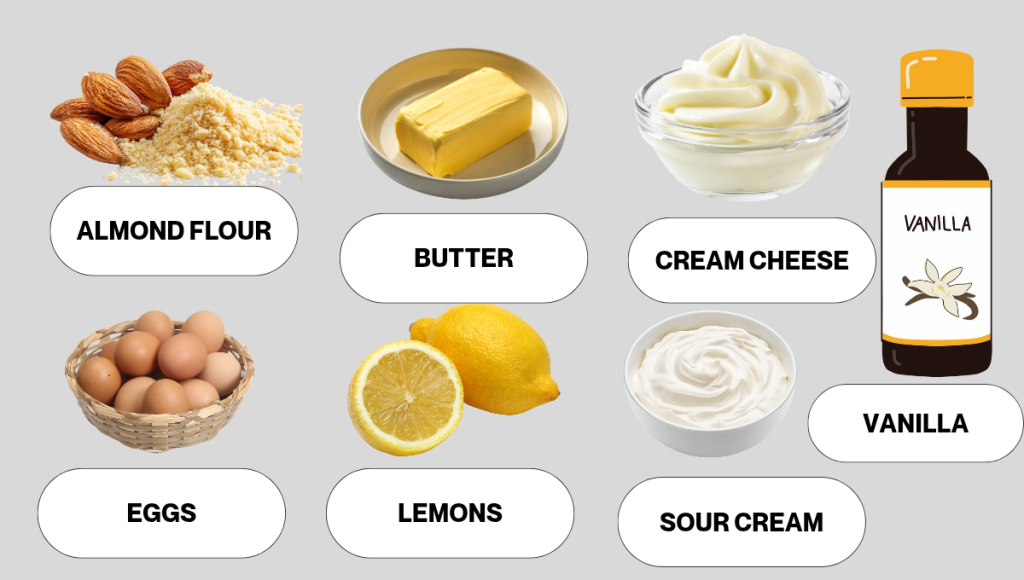
Almond Flour
Blanched almond flour forms the foundation of our crust, creating a delicate crumb that mimics traditional graham crackers without adding extra carbohydrates. You can substitute it with pecan meal or ground walnuts if you prefer a deeper, earthier nut base.
Butter
Unsalted melted butter binds the almond flour together so the crust holds its shape firmly under the filling. If you only have salted butter on hand, simply use it and skip adding extra salt to the crust mixture.
Cream Cheese
Full-fat brick cream cheese provides the essential structure, body, and richness for a classic baked cheesecake. Always make sure it is completely softened at room temperature to avoid lumps in your batter. Reduced-fat cream cheese works as a substitute, though the final slice will be slightly less dense.
Granulated or Powdered Monk Fruit Sweetener
Monk fruit sweetener acts as our sugar replacement, dissolving smoothly into the cream cheese to provide clean sweetness without altering the texture. Erythritol or xylitol work as equal 1:1 substitutions. Powdered forms blend in fastest and prevent any subtle grit.
Fresh Lemon Zest & Juice
Freshly grated zest carries essential oils that give the filling its vibrant citrus aroma, while fresh lemon juice adds a crisp, cutting acidity to balance the rich dairy. Avoid bottled lemon juice here; fresh lemons produce a cleaner, brighter flavor.
Sour Cream
Sour cream adds a slight tang while softening the heavy density of the cream cheese, ensuring a melt-in-your-mouth slice. Full-fat plain Greek yogurt is an easy 1:1 alternative.
Eggs
Eggs bind the filling and help it set cleanly as it bakes. Always bring your eggs to room temperature before mixing so they combine evenly into the batter without seizing the cream cheese.
Pro Tips
- Use Room Temperature Ingredients: Cold cream cheese or cold eggs will cause lumpy batter. Pull your dairy items out of the fridge at least an hour before baking.
- Avoid Overbeating the Eggs: Once the eggs go in, mix on low speed just until combined. Whipping too much air into the batter causes the cheesecake to rise rapidly in the oven and crack as it cools.
- Cool Slowly in the Oven: Turn off the oven once the edges are set and the center still has a slight wobble. Prop the oven door open slightly and let it sit inside for 45 minutes to prevent sudden temperature drops that lead to surface splits.
- Use a Warm Knife to Slice: Dip your knife into hot water and wipe it clean with a towel between every cut to get smooth, bakery-style slices.
Storage
- In the Fridge- Keep leftover cheesecake in an airtight container or cover the springform base tightly with plastic wrap. It will stay fresh and creamy in the refrigerator for up to 5 days.
- In the freezer- Keep leftover cheesecake in an airtight container or cover the springform base tightly with plastic wrap. It will stay fresh and creamy in the refrigerator for up to 5 days.
- How to Serve- Cheesecake is best served cold straight from the fridge. If you are serving frozen slices, thaw them in the refrigerator overnight. Avoid microwave reheating, as high heat melts the fats in the cream cheese and destroys the delicate structure.
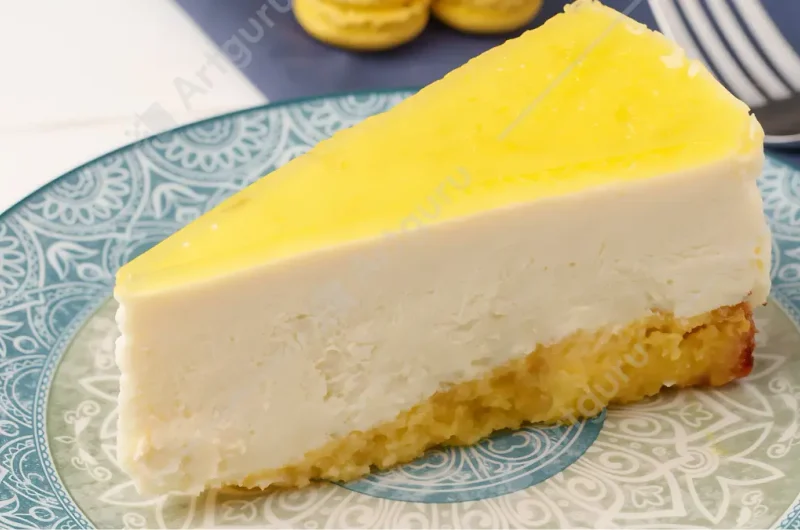
Sugar Free Baked Lemon Cheesecake
Course: DessertCuisine: AmericanDifficulty: Intermediate12
servings20
minutes50
minutes4560
kcalThis Sugar Free Baked Lemon Cheesecake features a buttery, toasted almond flour crust topped with a rich, velvety lemon filling. Every slice delivers a bright balance of tart citrus and creamy sweetness without relying on refined sugar. It bakes up gently to maintain a dense, smooth structure that sets cleanly in the fridge.
Keep the screen of your device on
Ingredients
- For the Almond Crust
1 cups blanched almond flour
0.25 cup powdered monk fruit sweetener
0.25 cup unsalted butter, melted
- For the Lemon Cheesecake Filling
24 oz (3 standard 8 oz packages) full-fat cream cheese, softened
1 cup powdered monk fruit sweetener
0.5 cup sour cream, room temperature
2 tbsp fresh lemon juice
1 tbsp fresh lemon zest
1 tsp vanilla extract
Directions
- Preheat your oven to 325°F (165°C). Lightly grease an 8-inch springform pan and line the bottom with a circle of parchment paper for easy removal later.
- In a medium bowl, stir together the almond flour, powdered monk fruit sweetener, melted butter, and sea salt until the mixture resembles wet sand. Transfer the crumbs into your prepared springform pan and press them firmly into an even layer along the bottom using the back of a flat glass or measuring cup. Bake the crust for 10 to 12 minutes until it turns pale golden brown around the edges. Remove the pan from the oven and let the crust cool completely on a wire rack.
- In a large mixing bowl, beat the softened cream cheese and powdered monk fruit sweetener together using an electric hand mixer or stand mixer fitted with a paddle attachment on medium speed. Scrape down the sides and bottom of the bowl frequently, beating for 2 to 3 minutes until the mixture turns smooth, glossy, and lump-free.
- Add the room-temperature sour cream, fresh lemon juice, lemon zest, and vanilla extract to the cream cheese mixture. Beat on low speed for about 1 minute until all the liquid and zest are fully incorporated into the cream base.
- Add the room-temperature eggs to the batter one at a time. Mix on low speed after each egg just until the yolk disappears. Tap the bowl gently on the counter twice to pop any large trapped air bubbles. Pour the cheesecake filling over the cooled almond crust and smooth out the top with a spatula.
- Place the springform pan on the middle oven rack. Bake at 325°F (165°C) for 45 to 50 minutes. The outer edges of the cheesecake should look set and slightly puffed, while the center 2-inch circle maintains a soft wobble when you gently shake the pan.
- Turn off the oven, prop the oven door open slightly with a wooden spoon, and let the cheesecake sit inside undisturbed for 45 minutes. Transfer the pan to a wire rack to reach room temperature. Once cool, cover loosely with foil and refrigerate for at least 4 hours—or preferably overnight—to allow the cheesecake to set completely before slicing.
Recipe Notes
- Springform Pan Leak Prevention: If your springform pan tends to let butter seep through during baking, place a baking sheet on the rack directly below it to catch any stray drips.
- Room Temperature Fast-Track: If you forgot to set your ingredients out early, place unopened eggs in a bowl of warm water for 10 minutes, and set unopened cream cheese packages in warm water for 15 minutes.
- Sweetener Selection: Standard granulated erythritol can leave a cool sensation on the palate. Using powdered monk fruit or a powdered erythritol blend eliminates that cooling effect almost entirely.
Nutrition Facts
Servings: 12 | Serving Size: 1 slice | Calories:
310 | Total Fat: 29g | Saturated Fat: 14g | Cholesterol: 105mg | Sodium: 220mg | Total Carbohydrate: 5g | Dietary Fiber: 1.5g | Sugars: 2g | Protein: 7
Frequently Asked Questions
Why did my sugar-free cheesecake crack on top?
Cracks are usually caused by trapped air from overbeating the eggs or sudden temperature shifts while cooling. Mixing low and slow after adding the eggs, along with letting the cake rest in the turned-off oven with the door cracked, keeps the top smooth.
Can I make this cheesecake without an almond flour crust?
Yes! If you have a nut allergy, you can make a crustless lemon cheesecake by lining the bottom and sides of your pan with parchment paper. Bake the batter directly in the lined pan for a smooth, crustless dessert.