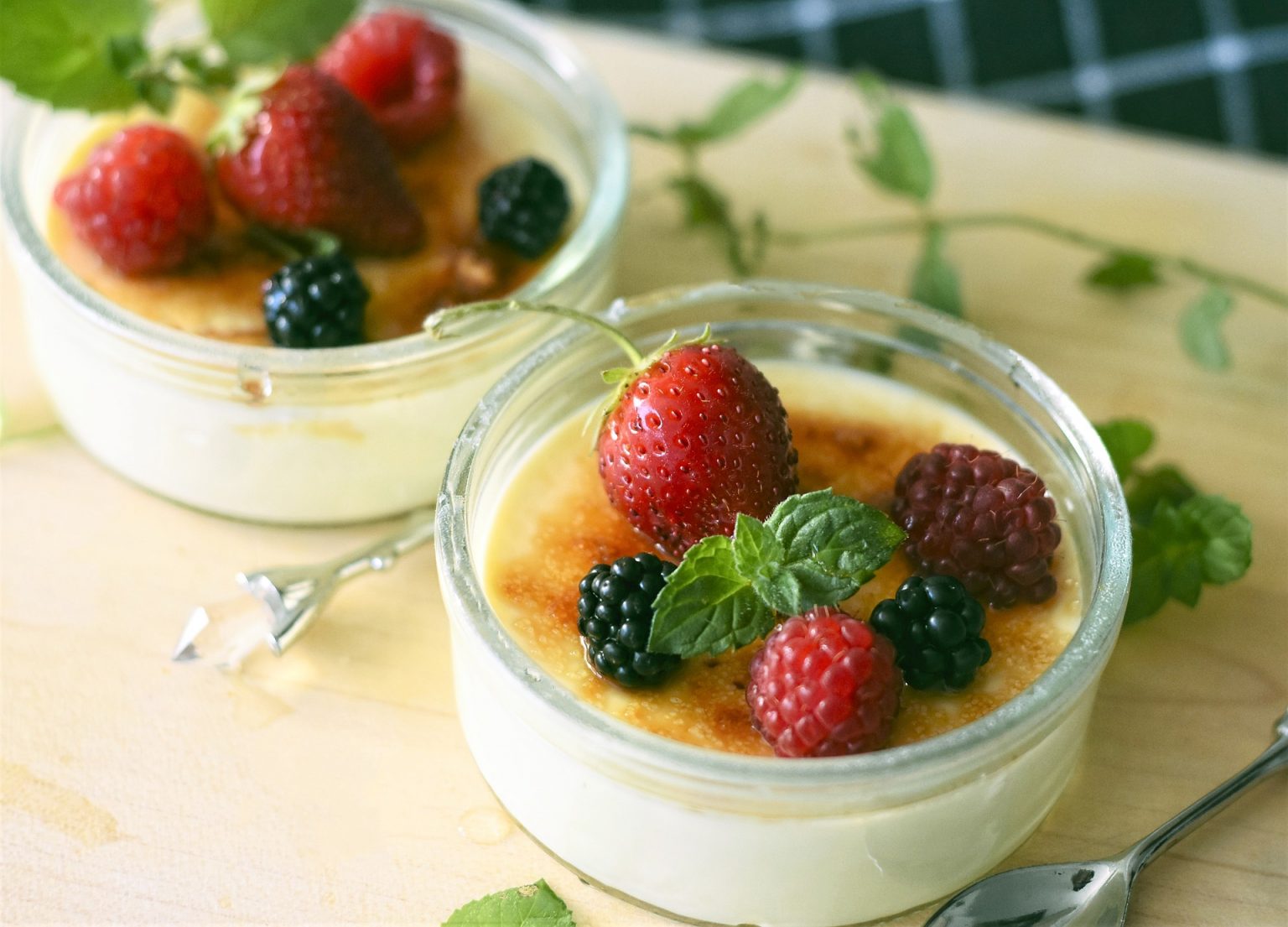
The smell of caramelized butter and sweet citrus usually fills my kitchen on baking days, but perfecting a sugar-free cheesecake meant rethinking everything I knew about low-carb baking. Early testing rounds with granulated sweetener blends left me with a dry, grainy crust and a filling that cracked down the middle as it cooled. The breakthrough came when I swapped the granular sweetener in the batter for a powdered erythritol-monk fruit blend and added a splash of extra heavy cream. The result is a silky, dense baked cheesecake with a crisp almond flour crust and a bright, zesty bite that rivals any classic bakery slice.
Highlights
- Smooth, velvety texture without any cooling aftertaste or graininess.
- Naturally gluten-free base made with toasted almond flour and real butter.
- Uses fresh lemon zest and juice for vibrant, true citrus flavor.
- Baked gently in a simple water bath to ensure zero surface cracking.
- Low-carb and completely free of refined sugars.
Ingredients
For the Sugar-Free Crust:
- 3 tbsp (21g) almond flour, fine blanched
- 1 tsp (4g) powdered sweetener (erythritol or monk fruit blend)
- 1/2 tbsp (7g) unsalted butter, melted
- 1 pinch sea salt
For the Lemon Cheesecake Filling:
- 3 oz (85g) full-fat cream cheese, softened to room temperature
- 1.5 tbsp (18g) powdered sweetener (erythritol or monk fruit blend)
- 1 large egg yolk, room temperature
- 1/2 tbsp (7.5ml) heavy whipping cream
- 1 tsp (5ml) fresh lemon juice
- 1/2 tsp fresh lemon zest, finely grated
- 1/4 tsp pure vanilla extract
Key Ingredients Breakdown
Blanched Almond Flour
Using fine blanched almond flour rather than almond meal is critical for the crust. Almond meal includes dark skins that absorb butter unevenly, leading to a soggy base. Fine almond flour mimics the crisp texture of a traditional graham cracker crust when baked with melted butter.
Powdered Erythritol Blend
Granulated sweeteners do not melt down cleanly in cream cheese, which causes a gritty texture in baked custard fillings. A powdered monk fruit or erythritol sweetener dissolves instantly into the fat molecules of the cream cheese, yielding a smooth slice.
Powdered Erythritol Blend
Bottled lemon juice lacks the volatile aromatic oils found in fresh peel. Rubbing fresh lemon zest into the powdered sweetener before mixing releases natural citrus oils, dispersing the bright lemon flavor evenly throughout the batter.
Pro Tips
- Bring the cream cheese and egg yolk entirely to room temperature before mixing to prevent lumps.
- Wipe your knife blade with a hot, wet cloth between cuts to get clean, picture-perfect slices.
- Avoid overbeating the batter once the egg yolk is added; incorporating excess air causes the cheesecake to rise rapidly in the oven and collapse during cooling.
Directions
Step 1: Prepare the Oven and Pan
Preheat your oven to 325°F (162°C). Lightly grease a 4-inch mini springform pan or a deep oven-safe ramekin with a small smear of butter. Line the bottom with a circle of parchment paper. If using a springform pan, wrap the exterior bottom and sides tightly with two layers of heavy-duty aluminum foil to prevent water from seeping in during the water bath phase.
Step 2: Mix and Bake the Crust
In a small bowl, stir together the blanched almond flour, 1 teaspoon of powdered sweetener, melted butter, and a pinch of salt until the mixture resembles wet sand. Transfer the mixture to your prepared pan and press it down evenly across the bottom using the back of a spoon. Bake the crust for 7 to 8 minutes until it turns pale golden brown and smells fragrant. Remove it from the oven and set it aside to cool completely before adding the filling.
Step 3: Beat the Cream Cheese Base
In a medium mixing bowl, beat the softened cream cheese and 1.5 tablespoons of powdered sweetener together using a hand mixer on low speed for about 1 minute, until smooth and completely free of lumps. Scrape down the sides of the bowl with a silicone spatula. Add the fresh lemon zest, fresh lemon juice, heavy whipping cream, and vanilla extract. Beat on low for another 30 seconds until combined.
Step 4: Add the Egg Yolk and Assemble
Add the room-temperature egg yolk to the batter. Gently stir by hand using a silicone spatula just until the yolk is incorporated and the filling is uniform. Avoid aggressive whisking at this stage. Pour the lemon filling over the cooled almond flour crust, smoothing the top surface gently with your spatula. Tap the pan lightly on the counter two or three times to release any trapped air bubbles.
Step 5: Bake in a Water Bath
Place the foil-wrapped pan into a larger rimmed baking dish or oven-safe skillet. Pour hot water into the outer dish until it reaches halfway up the side of the cheesecake pan. Carefully transfer to the middle rack of your oven and bake at 325°F (162°C) for 25 to 30 minutes. The edges should look set, while the very center retains a subtle wobble when the pan is gently shaken.
Step 6: Slow Cool and Chill
Turn off the oven, prop the oven door open slightly with a wooden spoon, and leave the cheesecake inside for 30 minutes to cool down gradually. Remove the pan from the water bath, strip off the foil, and let it rest on a wire rack until it reaches room temperature. Cover loosely and refrigerate for at least 6 hours, or overnight, so the texture sets completely before serving.
My Suger free reciped
- 1 tbsp Oil
- 1 Tbsp Milk
Ytttt
- 8 Tbsp Yyy
YihhhuhHsua
Step 1: Prepare the Oven and Pan
Preheat your oven to 325°F (162°C). Lightly grease a 4-inch mini springform pan or a deep oven-safe ramekin with a small smear of butter. Line the bottom with a circle of parchment paper. If using a springform pan, wrap the exterior bottom and sides tightly with two layers of heavy-duty aluminum foil to prevent water from seeping in during the water bath phase.
Step 2: Mix and Bake the Crust
In a small bowl, stir together the blanched almond flour, 1 teaspoon of powdered sweetener, melted butter, and a pinch of salt until the mixture resembles wet sand. Transfer the mixture to your prepared pan and press it down evenly across the bottom using the back of a spoon. Bake the crust for 7 to 8 minutes until it turns pale golden brown and smells fragrant. Remove it from the oven and set it aside to cool completely before adding the filling.
Step 3: Beat the Cream Cheese Base
In a medium mixing bowl, beat the softened cream cheese and 1.5 tablespoons of powdered sweetener together using a hand mixer on low speed for about 1 minute, until smooth and completely free of lumps. Scrape down the sides of the bowl with a silicone spatula. Add the fresh lemon zest, fresh lemon juice, heavy whipping cream, and vanilla extract. Beat on low for another 30 seconds until combined.
Step 4: Add the Egg Yolk and Assemble
Add the room-temperature egg yolk to the batter. Gently stir by hand using a silicone spatula just until the yolk is incorporated and the filling is uniform. Avoid aggressive whisking at this stage. Pour the lemon filling over the cooled almond flour crust, smoothing the top surface gently with your spatula. Tap the pan lightly on the counter two or three times to release any trapped air bubbles.
Step 5: Bake in a Water Bath
Place the foil-wrapped pan into a larger rimmed baking dish or oven-safe skillet. Pour hot water into the outer dish until it reaches halfway up the side of the cheesecake pan. Carefully transfer to the middle rack of your oven and bake at 325°F (162°C) for 25 to 30 minutes. The edges should look set, while the very center retains a subtle wobble when the pan is gently shaken.
Step 6: Slow Cool and Chill
Turn off the oven, prop the oven door open slightly with a wooden spoon, and leave the cheesecake inside for 30 minutes to cool down gradually. Remove the pan from the water bath, strip off the foil, and let it rest on a wire rack until it reaches room temperature. Cover loosely and refrigerate for at least 6 hours, or overnight, so the texture sets completely before serving.
Why did my sugar-free cheesecake crack on top?
Cracks happen when the filling bakes too quickly, gets overcooked, or cools down too fast. Baking at a low temperature, using a water bath, and letting the cake rest in the turned-off oven with the door cracked open for 30 minutes gently cushions the protein bonds, stopping the top from splitting.
Can I make this cheesecake without a water bath?
You can bake it directly on the oven rack, but the texture will be drier and the top is more likely to sink or crack. If you prefer not to use a water bath, place a pan filled with boiling water on the rack directly beneath the cheesecake while it bakes to maintain oven humidity.


Leave a Reply